Hedge Trimming in Vauxhall

Hedge Trimming Vauxhall provides a focused hedge cutting service for gardens, front boundaries, shared access edges and planted screens across the local area. The work is centred on keeping hedges neat, healthy-looking and in proportion with the space around them, whether that means a light tidy, seasonal shaping or a fuller reduction where growth has become uneven. We also support related garden work where it sits naturally alongside hedge care, helping customers keep the overall outdoor space orderly rather than dealing with one boundary in isolation.
Good hedge work is about more than cutting back greenery. It involves judging the plant’s form, checking how much live growth should remain and shaping the sides so the hedge keeps its function as a boundary, windbreak or privacy screen. Different species respond in different ways, so the right approach depends on density, vigour and the time of year. Careful trimming can improve appearance, while a heavier cut may be more suitable only when a hedge has outgrown its line or started to dominate a path, drive or garden bed.
For customers who are planning a hedge tidy or a larger renovation, the simplest next step is to think about the finish you want: crisp lines, softer natural contours or a more substantial reduction in height and spread. If the hedge forms part of a wider garden, it can also help to consider whether other areas need attention at the same time, such as lawn edges or overgrown planting. Clear instructions make it easier to match the work to the garden’s layout and the intended result.
Hedge Trimming for Neat Boundaries
Well-cut hedges frame a property cleanly and create a more settled look along fences, walls and paths. Our hedge trimming work is aimed at maintaining that outline with a finish that suits the plant and the setting. Some hedges need a precise, clipped appearance; others benefit from a gentler approach that preserves softness while still keeping the growth controlled. The aim is always a result that looks intentional rather than overworked.
Boundary hedges can quickly become awkward if they narrow access, push into paving or cast unwanted shade across nearby planting. In those cases, trimming is often about restoring balance rather than simply shortening growth. Where appropriate, we can reduce overhang, level uneven tops and tidy the sides so the hedge sits properly within its space again. When a hedge is used to divide parts of a garden, a consistent line can also make the whole area feel more organised.
What a tidy hedge finish usually involves
A practical trimming visit may include the following tasks, depending on the hedge and the chosen result:
- Shaping the top and sides to suit the hedge’s natural growth habit
- Reducing light overgrowth that disturbs paths, windows or adjoining planting
- Bringing back clear edges after periods of uneven growth
- Removing awkward protrusions so the hedge line looks uniform
- Keeping the cut consistent across the full length of the hedge
Height Reduction and Reshaping

Some hedges need more than routine maintenance. When growth has extended beyond the intended height or width, a carefully judged reduction can help bring the hedge back to a manageable scale. That work has to be approached with care, because a heavy cut in the wrong season or on the wrong species can leave gaps or weaken the plant. We therefore focus on proportion, structure and recovery, not just on making the hedge shorter in one pass.
Reshaping is also useful where a hedge has developed an uneven profile over time. One side may be thicker than the other, the top may slope unexpectedly, or a previous cut may have left visible irregularities. A more considered trimming plan can improve symmetry without stripping the plant bare. In some cases, a staged approach is more suitable, allowing the hedge to recover while gradually returning it to a better line and density.
If you are comparing options, it helps to think about whether the hedge only needs a seasonal tidy or whether it has reached a point where the structure needs attention. A services overview can be useful for understanding how hedge work sits alongside other garden care, while a more focused quotation request is best when the hedge is already measured up in your mind. For some gardens, trimming is enough; for others, a one-off reshape creates the cleaner starting point that future maintenance can build on.
Seasonal Hedge Care and Growth Control
Different times of year call for different levels of intervention, and hedge trimming should respect the plant’s growth cycle as well as the garden’s appearance. A hedge that is clipped regularly may only need a light touch to keep it crisp, while a slower-growing specimen may benefit from a planned cut that restores form without forcing unnecessary regrowth. The right timing can make the finish last longer and reduce the need for repeated heavy correction.
Seasonal maintenance is especially helpful when a hedge is part of a busy front garden or a narrow side return. In those settings, growth can quickly interfere with movement, sightlines and the sense of space. Trimming can keep the hedge at a practical size while still preserving the screen or border it was meant to provide. The work may also improve airflow and access around the plant, which can make future upkeep more straightforward.
It is usually sensible to think about hedge care as a regular part of garden maintenance rather than a one-off emergency fix. For customers who want a more rounded approach, a garden maintenance service can complement hedge trimming by keeping the surrounding beds, edges and soft landscaping in order. Where the hedge sits close to paving or a lawn, that joined-up approach often produces a cleaner overall result than addressing the hedge on its own.
When a Hedge Needs More Than a Light Cut
Not every hedge is suitable for the same level of trimming. A dense evergreen hedge, a newer planted line and an established mixed hedge can all call for different handling, depending on how far the growth has moved beyond the desired shape. Sometimes the issue is simply a few stray shoots. At other times the hedge may have become leggy, top-heavy or too wide for its setting. Recognising the difference helps avoid unnecessary stress on the plant.
There are also practical limits to what can be done in a single visit. A hedge with large woody stems, long-neglected sides or awkward access may require a careful plan rather than a rushed cut. In those situations, the work is about restoring the hedge progressively and leaving it in a better condition for ongoing care. That kind of restraint can be more valuable than an aggressive reduction that leaves the hedge thin or patchy.
For larger outdoor projects where the hedge is only one part of the task, it can be sensible to look at adjoining work too. Landscape gardening can be relevant where hedge trimming forms part of a wider layout change, while a more general landscaping page may suit customers who want to understand broader garden improvement options before deciding how the hedge should fit into the plan. The main point is to match the scale of the cut to the hedge’s condition and the garden’s long-term shape.
Supporting Garden Lines and Surrounding Features

Hedge trimming often works best when it is considered alongside the rest of the garden structure. A hedge that is neatly cut but surrounded by untidy edges or overgrown neighbouring planting can still leave the space feeling incomplete. For that reason, we often think in terms of lines: where the hedge starts and ends, how it relates to lawns, paths and boundaries, and whether nearby shrubs or climbers are affecting the hedge’s outline.
That perspective helps with gardens that have several visual layers. A hedge may shelter a seating area, frame a lawn or sit behind a low border planting scheme. Each of those arrangements benefits from a different finish. In a formal setting, straight sides and level tops may be the priority. In a more relaxed garden, the goal may be to reduce bulk and restore shape without making the hedge feel overly rigid. The work should support the planting style already in place.
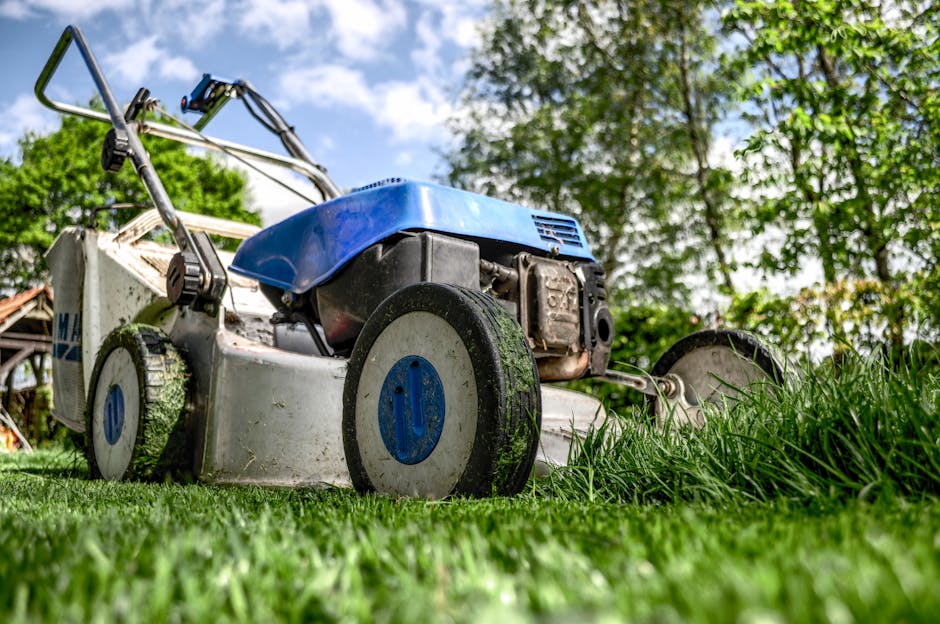
Where hedge care connects with lawn and edging work, the overall result is often sharper and easier to maintain. If the surrounding space needs a broader tidy after the hedge has been cut, lawn mowing can help complete the appearance of the garden. And if cuttings, prunings or other green waste are part of the job, it is sensible to consider how that material will be dealt with as part of a planned visit rather than as an afterthought.
Access, Preparation and Practical Quotation Details
When requesting a quotation for hedge trimming, a few practical details help make the process clearer. The main things to think about are the hedge length, the approximate height, whether both sides are accessible and whether the hedge sits over paving, lawn or planting that needs protection. Photographs can also be useful when the hedge line is difficult to describe, especially if there are several sections at different heights or if access is tight.
If there are gates, parked vehicles, narrow passages or shared boundaries, it helps to mention those points early because they can affect the way the work is planned. The same applies if the hedge is close to fragile features such as trellis, ornaments or young shrubs. A quotation is usually easier to prepare when the job is described in straightforward terms, with the main aim set out clearly: tidy, reduce, reshape or maintain. That keeps expectations aligned before any work begins.
For customers who want to compare hedge work with other outdoor services, a good next step is to review the range of related options and decide what belongs together in the same visit. Pricing and quotes can help frame the enquiry, while a plain request to request a quotation is the most direct way to move ahead once the hedge’s size, condition and desired finish are understood. Keep the description simple, and the response can be just as focused.
Hedge Trimming with Garden Clearance and Tidy-Up Work
Hedge cutting often generates material that needs gathering, bagging or moving away from the work area. If the hedge has not been maintained for a while, the amount of cut growth may be more substantial, and the site can benefit from a tidy-up that goes beyond the hedge itself. In some gardens, that means removing fallen clippings promptly so paths and beds are left usable and the hedge line is easier to inspect once the cut is complete.
This is one reason why hedge trimming can sit naturally alongside clearance work when a garden has become cluttered with prunings, leaf litter or old growth around the edges. A clean hedge is easier to appreciate when the base and surrounding ground are also in order. That said, the right level of follow-up depends on the job. Some customers only want the hedge cut and the area left neat; others prefer a more thorough clearance as part of the same visit.
Where a boundary has become heavily overgrown, a more comprehensive tidy may be worth considering before any precise reshaping starts. The goal is still to keep the work proportionate and manageable. A garden clearance page is useful for customers who need a broader cut-back and removal of excess growth, while hedge trimming remains the right focus when the main priority is restoring shape and control to the hedge line itself.
Tree, Shrub and Broader Garden Works

Some customers approach hedge trimming as part of a wider maintenance plan that includes nearby shrubs or small trees. In those cases, it helps to think about the relationship between the hedge and the rest of the planting. A hedge that is trimmed in isolation may still feel overwhelmed if an adjacent tree is shading it heavily or if nearby shrubs are pushing into the same space. Coordinated work can therefore create a more balanced result across the whole garden.
Where a hedge meets taller woody growth, the cutting line needs to remain sensible for the plant and the setting. Overlapping branches, crossing growth and encroaching canopies can all affect the finished shape. If the task goes beyond simple hedge maintenance, it may be appropriate to look at the nearby growth as part of the same plan rather than treating each plant separately. That approach can reduce repetition and produce a cleaner overall boundary.
For gardens with mature planting that needs more than routine clipping, a tree lopping and removal service may be relevant where larger woody growth is involved, while decking services can matter when hedge work forms part of a more complete outdoor refresh. In all cases, the hedge should still be treated as its own living structure, with trimming chosen to suit its condition rather than as a one-size-fits-all cut.
About Vauxhall
Vauxhall is an inner London district on the south bank of the River Thames, within the London Borough of Lambeth, and it sits immediately opposite central London’s core on the north side of the river. The area takes its name from the historic Vauxhall Pleasure Gardens, which were once a major London attraction and helped give the district a long association with leisure, travel and urban change. Over time, Vauxhall developed from riverside and industrial uses into a densely built part of the capital with a strong transport presence and a varied streetscape. Its position near the river has long shaped movement through the district, and that is still reflected in the presence of rail, Underground and bus connections around the area. The local built environment combines older terraces, later commercial development and large-scale modern buildings, creating sharp contrasts in scale and style within a relatively compact area. The riverfront itself forms an important part of the setting, with views across the Thames and easy links towards Westminster, Waterloo and the wider South Bank. Vauxhall is also known for its association with Kennington, Nine Elms and Pimlico-adjacent central districts, though it remains distinct in identity. Cultural life in and around the area includes nightlife, public spaces and long-running links to the changing story of inner London, while redevelopment has continued to reshape parts of the neighbourhood in recent years. The result is a place where historic associations, transport infrastructure and contemporary city living sit side by side.
Service Planning, Safety and the Final Finish
Once the hedge work has been agreed, the final result depends on carrying out the cut in a controlled way and checking the finish from more than one angle. Side profiles, top lines and transition points at corners or gate posts all matter. A hedge can look tidy from the front yet still feel uneven where it meets a wall or turns a boundary. Careful finishing avoids that problem and helps the whole garden feel more coherent.
Safety and practical planning are part of the same process. Access needs to be workable, the hedge should be reachable without forcing awkward movements, and any surrounding features that could be affected by clippings or tool use should be identified beforehand. In gardens with mixed planting, it is also useful to decide which areas should be left undisturbed so the trimming stays focused on the hedge and does not stray into the wrong parts of the border.
If you would like to arrange hedge trimming in Vauxhall, keep the request clear and short: describe the hedge, the finish you want and any access points that matter. Then you can simply ask for a quotation and use that to decide the best way forward. Request a quotation when you are ready, and make the hedge the next part of the garden to put back in order.