Lambeth Council rules for garden waste collection Vauxhall
If you live in Vauxhall and you are trying to work out what Lambeth Council expects from your garden waste, you are not alone. It sounds simple at first - cuttings out, bin collected, job done - but in practice there are a few rules, a few grey areas, and a few easy mistakes that can leave waste uncollected or create an unwanted mess on the pavement.
This guide explains Lambeth Council rules for garden waste collection Vauxhall in plain English. You will find out what counts as garden waste, how collection usually works, what to do with bulky cuttings, and how to avoid the common slip-ups that make life harder than it needs to be. If you are clearing a small urban garden, tidying a shared back yard, or managing regular maintenance, this should give you a sensible, local starting point.
And yes, some of it is a bit dull. But rubbish rules tend to be that way. Better a five-minute read now than a missed collection later, with wet hedge trimmings sitting there looking at you from the kerb.
Table of Contents
- Why Lambeth Council rules for garden waste collection Vauxhall matters
- How Lambeth Council rules for garden waste collection Vauxhall works
- Key benefits and practical advantages
- Who this is for and when it makes sense
- Step-by-step guidance
- Expert tips for better results
- Common mistakes to avoid
- Tools, resources and recommendations
- Law, compliance, standards, or best practice
- Options, methods, or comparison table
- Case study or real-world example
- Practical checklist
- Conclusion
- Frequently asked questions
Why Lambeth Council rules for garden waste collection Vauxhall Matters
Garden waste sounds harmless enough, but councils treat it differently from ordinary household rubbish. That matters because the wrong mix of materials can cause a collection to be delayed, refused, or split into separate disposal streams. In a place like Vauxhall, where gardens can be compact, shared, or tucked behind terraces, the rules matter even more because space is tight and waste piles up quickly.
There is also the practical side. If you are pruning hedges, mowing weekly, or clearing after a spring tidy-up, you need a system that fits your garden size and your council's collection approach. A lot of people only realise this when they have already filled a few bags and suddenly wonder, "Right, now where does all this go?"
Following the rules helps you:
- keep your collection point tidy and safe
- reduce the chance of contamination
- avoid overfilling bags or bins
- plan maintenance more efficiently
- prevent unnecessary trips or missed pickups
For local households and landlords, it can also save time. A well-managed garden clearance is rarely about one huge effort; more often it is about small, regular habits. If you already use a service like garden maintenance or lawn mowing, those routines become much easier to align with council collection expectations.
How Lambeth Council rules for garden waste collection Vauxhall Works
Most council garden waste systems in London are built around a few basic ideas: keep the waste clean, separate it properly, present it correctly, and do not overload the container. Lambeth may update its collection arrangements over time, so the safest approach is to check the current local instructions before putting anything out. Still, the underlying logic is usually consistent.
Garden waste typically means organic material from routine garden care, such as grass cuttings, leaves, small twigs, hedge trimmings, and plant cuttings. It is usually expected to be free of contamination. That means no plastic plant pots, no rubble, no food waste, and no household rubbish sneaking in because "it was only a little bit." That little bit is exactly what causes problems, to be fair.
In everyday terms, the process usually involves:
- Collecting your green waste separately from general rubbish.
- Storing it in the approved container, sack, or bag format if required.
- Making sure the waste is easy for crews to lift or empty.
- Putting it out on the correct day and in the correct location.
- Keeping it dry enough and neat enough to avoid spillages.
In Vauxhall, the size of your outdoor space may shape how you handle the task. A small town garden after hedge trimming can produce more volume than you expect, especially if the trimmings are leafy and fluffy. If you are working through a larger tidy-up, a dedicated service such as garden clearance can help you remove the bulk first, then leave the day-to-day waste for regular disposal.
One thing people often miss: not all garden waste is equal. A pile of soft grass cuttings behaves very differently from woody hedge waste or thick branches. The former compresses; the latter takes up space and can be awkward to bundle. That matters when you are trying to fit everything into council-approved collection limits.
Key Benefits and Practical Advantages
When you follow Lambeth's garden waste expectations properly, you get more than a clean pavement. You get a much more manageable garden routine.
1. Fewer rejected collections
Correct sorting reduces the chance that crews will leave your waste behind. That saves you from the annoying "why wasn't it taken?" moment on a damp Monday morning.
2. Better garden hygiene
Regular removal of clippings and leaves helps stop damp build-up, mouldy corners, and that slightly swampy smell that can linger after heavy pruning.
3. Safer access
Well-contained waste means fewer trip hazards on steps, paths, and shared access routes. That is especially useful in narrow Vauxhall properties where access can already be a bit awkward.
4. More predictable maintenance
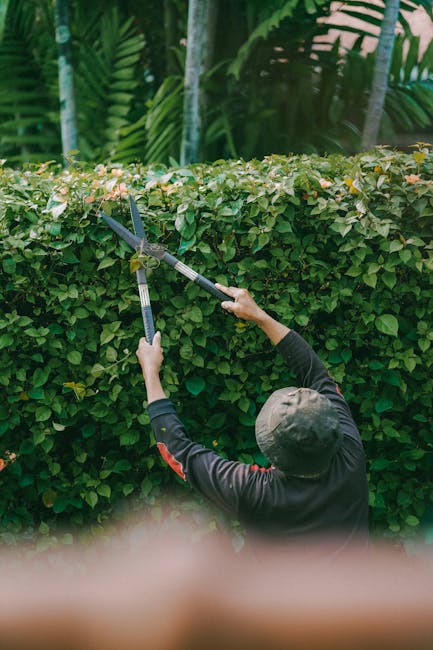
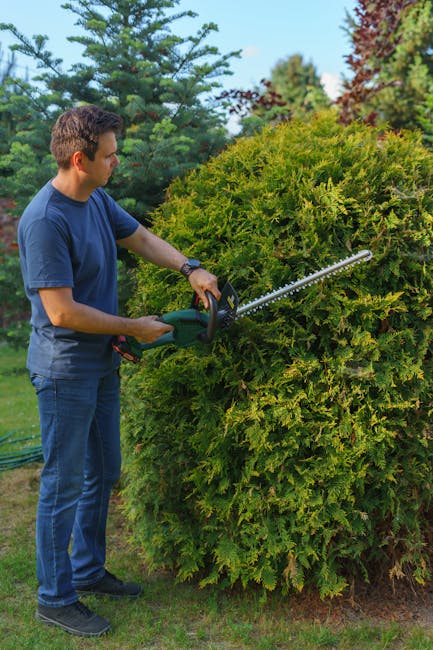
Once you know the rhythm of your collection and disposal method, you can plan hedge cutting, lawn care, and seasonal clearance around it. If you want to keep the garden consistently neat, a service page like hedge trimming can support that routine.
5. Better recycling outcomes
Garden waste is often best handled separately because it can usually be processed more effectively when it is not mixed with plastics, metals, or general household waste. That is why clean separation matters.
Practical takeaway: the cleanest system is usually the simplest one. Keep garden waste separate from the start, break bulky material down where possible, and avoid mixing in anything that does not belong there.
Who This Is For and When It Makes Sense
This topic matters to a surprisingly wide group of people in Vauxhall. It is not just for people with big gardens and immaculate borders. In fact, the busiest users of garden waste guidance are often the ones with modest spaces and regular maintenance needs.
- Homeowners who tidy lawns, hedges, and borders throughout the year
- Renters responsible for a shared patio or small back garden
- Landlords and agents arranging clear, presentable outdoor space between tenancies
- Property managers handling communal planted areas or front gardens
- Busy households that need a sensible disposal plan after seasonal pruning
- Anyone booking external help for garden upkeep or a bigger tidy-up
It also makes sense if you are planning work after a landscaping refresh, a bit of tree reduction, or a complete garden reset. A project that starts as "just a quick tidy" can easily become a trailer-load of cuttings by the end of the afternoon. Happens all the time. By about 3:30pm, people are usually standing in the garden looking at the heap and wondering where the rest of the lawn went.
If your work includes more substantial material, such as thicker branches, you may need a slightly different approach. That is where a service like tree lopping and removal becomes relevant, because woody waste and branch material often need more careful handling than ordinary green clippings.
Step-by-Step Guidance
If you want a straightforward way to deal with garden waste in line with local expectations, use this process.
- Sort waste as you go. Keep grass, leaves, hedge cuttings, and branches together, but separate them from plastics, soil bags, pots, and general rubbish.
- Check what your waste contains. A quick check before collection day prevents contamination. If in doubt, remove anything non-organic.
- Reduce the volume. Cut long stems, bundle twiggy material neatly, and let damp clippings drain if appropriate. Wet waste is heavy, and heavy waste is awkward.
- Use the right container or presentation method. Follow Lambeth's instructions exactly if they specify a bin, sack, or bag limit.
- Keep access clear. Make sure crews can reach the waste without moving cars, bikes, bins, or bins-within-bins, which is a bit of a nightmare on some streets.
- Put it out on time. Early enough to meet collection timing, but not so early that it sits around for days in the rain.
- Check what was taken. If something is left behind, review the contents first. Most issues come down to contamination, overfilling, or awkward presentation.
If you are doing a larger seasonal job, the neatest workflow is often: mow, trim, gather, bag, then inspect for contamination before collection day. A reliable garden maintenance routine makes this much less stressful.
Small tip, but a useful one: if you are working after a rainy spell, let the waste breathe for a few hours where safe to do so. Damp clippings compact heavily and can turn one manageable bag into something that feels weirdly like a sack of wet bricks.
Expert Tips for Better Results
After enough garden clearances, you start to see the same patterns again and again. Here are the habits that genuinely help.
- Collect as you cut. Do not leave all debris until the end if you can help it. A rake, grabber, and stackable bags can save a lot of back-and-forth.
- Keep woody waste separate from soft green waste. Even if the council takes both, they behave differently and can be handled differently.
- Avoid stuffing bags too full. Overpacked bags tear, spill, and become difficult to lift.
- Use dry weather windows. A clear morning can make collection handling much easier than a wet evening.
- Plan around hedge work. If you know a hedge cut is coming, schedule your disposal strategy before you start. Not after. Not while standing there with a forked branch in each hand.
- Think in batches. For larger gardens, work in sections rather than trying to clear everything at once.
There is also a customer-service angle here. If you are using external help, choose a provider that understands disposal, safety, and recycling responsibilities. That is one reason people check practical pages like recycling and sustainability before booking. It gives you a better feel for how waste is being handled, not just whether the garden ends up looking neat.
And honestly, if you are juggling work, family, and a garden that seems to grow faster than expected in late spring, aim for consistency rather than perfection. A little and often beats a heroic clear-out every time.
Common Mistakes to Avoid
Most garden waste problems are avoidable. That is the good news. The less exciting news is that the same mistakes keep happening.
- Mixing garden waste with household rubbish. This is the big one. It can ruin an otherwise straightforward collection.
- Including soil, rubble, or hardcore. These are not the same as green waste and can change how the load is treated.
- Leaving in plastic labels or ties. Little bits of packaging often get overlooked after trimming.
- Overfilling the container. If the lid cannot close or the sack cannot be handled safely, it may not go.
- Putting waste out too early. That can create street clutter and, depending on conditions, nuisance or obstruction.
- Forgetting about thorns, sharp stems, or splintered branches. These create handling risks for anyone moving the bags.
One more, and it is a sneaky one: do not assume all clippings are acceptable just because they came from the garden. Dead plants in plastic grow bags, broken pots, and potting medium are not always treated like simple green waste. When in doubt, separate it out. Saves grief.
Tools, Resources and Recommendations
You do not need fancy kit to manage garden waste properly, but a few basics make life noticeably easier.
- Sturdy garden sacks or bins for clean, contained collection
- Rakes and leaf grabbers to reduce hand contact and speed up gathering
- Secateurs, loppers, and pruning saws for cutting waste down into manageable lengths
- Tarpaulins to keep waste together while you work
- Gloves and protective footwear for safe handling on rough ground
- A simple sorting area on a patio, driveway, or hardstanding surface
For people who want support beyond basic disposal, a combined approach can be efficient. For example, routine cutting through lawn mowing and hedge trimming can produce a manageable flow of waste instead of one huge pile. If the garden has become genuinely overgrown, a more comprehensive service such as garden clearance may be the cleaner option.
Helpful mindset: buy or keep just enough kit to make the job repeatable. If your disposal process is easy, you are much more likely to keep on top of it in winter drizzle and summer rush alike.
Law, Compliance, Standards, or Best Practice
Without quoting specific council policy language, the best-practice approach in London is simple: follow the local collection instructions exactly, keep waste streams separate, and present waste safely for collection. That is the baseline most households should work from.
Where garden waste is concerned, compliance is usually about practical duties rather than complicated paperwork. The main expectations are:
- do not contaminate garden waste with non-garden materials
- do not obstruct pavements, driveways, or shared entrances
- do not create a health and safety risk for collection crews
- do not put out waste in a way that attracts pests or causes odour
- follow any size, weight, or presentation limits that apply locally
For landlords, contractors, and anyone managing larger outdoor works, the standard is a little higher because you are expected to think ahead about waste handling, crew safety, and clear access. If you are coordinating multiple tasks, it helps to review practical policies such as health and safety policy and insurance and safety information before work begins. That is just sensible housekeeping, really.
There is also a basic environmental best practice point here. Garden waste should be kept clean and separate so it can be handled in the most suitable way. The cleaner the material, the better the chance of efficient processing downstream. Simple, but important.
Options, Methods, or Comparison Table
There is no single right answer for every garden. A tiny courtyard after a bit of deadheading is a different beast from a back garden that has been left untouched for months. The table below gives a practical comparison of common approaches.
| Method | Best for | Pros | Watch-outs |
|---|---|---|---|
| Routine council-style garden waste collection | Regular small to medium volumes of clean green waste | Simple, familiar, efficient for ongoing maintenance | Needs correct sorting and presentation; bulky loads can be awkward |
| DIY bagging and disposal | Light pruning, lawn cuttings, seasonal tidy-ups | Flexible and inexpensive if the volume is low | Can become time-consuming and physically tiring |
| Professional garden clearance | Overgrown gardens, bulky cuttings, one-off resets | Fast, organised, less lifting for you | Best value when the volume is significant rather than tiny |
| Ongoing maintenance package | Busy households or properties needing regular upkeep | Keeps waste levels lower and more predictable | Needs a schedule that suits how fast the garden grows |
If your garden is frequently producing hedge, grass, and branch waste, a maintenance-led approach often works better than waiting for everything to build up. It is less dramatic, less messy, and, frankly, less of a weekend hostage situation.
Case Study or Real-World Example
Imagine a small Vauxhall garden with a narrow side return, a patch of lawn, and two hedges that seem to grow by the day in May. The owners want the garden tidy before a family visit, but they also want to stay within local collection expectations.
They start with a quick mow, then trim the hedge lightly rather than hacking it back in one go. The clippings are collected into separate piles: soft grass waste on one side, twiggy hedge material on the other. Any plastic ties, plant pots, and old labels are removed as they go. No drama, just steady work.
Because the garden is small, the team avoids overfilling sacks and keeps the material dry under cover for a short while before collection day. The result is not only a cleaner garden, but a much tidier disposal process. No spillages, no extra trips, no "where did this random bit of plastic come from?" moment.
That same approach can be scaled up for larger jobs too. If the garden is genuinely overgrown, combining regular care with a one-off reset through garden maintenance and garden clearance is often the most sensible route. It is less about doing more, and more about doing things in the right order.
Practical Checklist
Use this before you put out any garden waste in Vauxhall.
- Have I separated garden waste from general rubbish?
- Have I removed plastic, pots, ties, rubble, and other contamination?
- Is the waste contained in the right way for local collection?
- Have I avoided overfilling the bag or container?
- Can collection crews reach it safely and easily?
- Have I checked for thorny or sharp material that could cause injury?
- Is the waste likely to stay tidy until collection day?
- Do I need a bigger disposal plan because the job is more than routine maintenance?
- Have I reviewed any service terms or safety information if I am hiring help?
If you want the cleanest possible outcome, pair that checklist with a sensible maintenance rhythm. Regular mowing, light pruning, and seasonal tidying always create less stress than one huge clear-out after months of neglect. Not glamorous, but effective.
Get a free quote today and see how much you can save.
Conclusion
Understanding Lambeth Council rules for garden waste collection Vauxhall is mostly about being organised, clean, and realistic about volume. Once you know what counts as garden waste, how to keep it separate, and how to present it properly, the whole process becomes much easier.
For small urban gardens, the key is consistency. For larger or neglected spaces, a proper clearance plan can save time and spare you a lot of lifting. Either way, the aim is the same: keep the garden looking good, keep the waste manageable, and avoid unnecessary hassle.
Truth be told, most of the stress disappears once you have a simple routine. And when the garden is tidy, the whole place feels lighter somehow - better air, better view, better weekend.
Frequently Asked Questions
What counts as garden waste under Lambeth Council rules?
Garden waste usually means organic material from normal garden maintenance, such as grass cuttings, hedge trimmings, leaves, and small branches. It should be kept separate from general household rubbish and free from contamination like plastic, pots, rubble, or food waste.
Can I put soil in garden waste collection?
Soil is often treated differently from green waste, so it is best not to assume it can go in the same container. If you have leftover soil from planting or digging, check the current local rules before mixing it with garden cuttings.
What should I do with hedge trimmings in Vauxhall?
Hedge trimmings should be cut down to manageable lengths, kept free from plastic ties or other non-garden materials, and stored in the correct container or bag format if required. If you have a large amount, a service like hedge trimming or garden clearance may help reduce the volume first.
Why was my garden waste not collected?
The most common reasons are contamination, overfilled containers, incorrect presentation, or putting the waste out in the wrong place or at the wrong time. If only part of the load was left, review the contents carefully before trying again.
Can I mix grass cuttings and branches together?
Sometimes they can be kept in the same overall garden waste stream, but it is usually better to separate soft green waste from woody material if space, handling, or collection rules make that easier. Branches are heavier and bulkier, so they behave differently.
Is it better to use council collection or professional garden clearance?
It depends on the size of the job. For regular small amounts, council collection-style disposal is often fine. For overgrown gardens, heavy cuttings, or one-off tidy-ups, professional garden clearance may be more practical and less tiring.
How can I stop garden waste from becoming messy before collection day?
Use tied or sealed bags where appropriate, keep the waste dry if you can, and avoid overfilling. Store it neatly in one place where it will not blow around or block access. A tarpaulin can help on windy days, which, let's face it, London has plenty of.
Do I need special tools to manage garden waste properly?
No special tools are required, but a rake, gloves, pruning tools, and sturdy sacks or bins make the job much easier. If you are doing regular maintenance, those basics are usually enough to keep things under control.
What is the best time to put garden waste out?
Put it out according to the local collection schedule and as close to the collection time as practical. That keeps the area tidy and reduces the chance of rain, wind, or animals spreading the waste around.
How do I deal with waste after tree pruning or larger branch removal?
Heavier woody waste often needs a more deliberate plan than ordinary hedge trimmings. For larger jobs, tree lopping and removal can help manage the bulk safely, and it is wise to check any local disposal expectations before you start.
Can regular garden maintenance reduce waste problems?
Yes. Regular garden maintenance usually creates smaller, more manageable amounts of waste, which are easier to separate, store, and collect. In practice, that means less mess, fewer missed collections, and less weekend chaos.
Where can I get more help with garden work in Vauxhall?
If you need support beyond basic disposal, useful starting points include services overview, pricing and quotes, and contact us for practical next steps. The right choice depends on whether you need ongoing maintenance, a one-off clearance, or a mix of both.