Vauxhall gardeners common mistakes to avoid: a practical guide for better garden results
If you have ever looked at a patchy lawn, a hedge that has gone a bit wild, or a border that just never seems to settle, you already know how quickly small gardening decisions can snowball. That is exactly why Vauxhall gardeners common mistakes to avoid is such a useful topic: it is not just about "doing the work", it is about doing it in the right order, at the right time, and with the right expectations. In a busy inner-London area like Vauxhall, gardens are often compact, shaded, exposed to street dust, and squeezed for space, so the wrong approach shows up fast. This guide walks through the mistakes people make most often, why they matter, and how to avoid them without overcomplicating everything.
Whether you are keeping on top of your own outdoor space or thinking about bringing in professional help, the aim here is simple: fewer avoidable problems, healthier planting, and less money wasted on fixes later.
Why Vauxhall gardeners common mistakes to avoid matters
A garden usually looks forgiving at first glance. Then one missed cut, one overwatered bed, or one badly timed tidy-up and suddenly things are spiralling. In Vauxhall, where many gardens are small, shared, overlooked by neighbouring buildings, or bordered by hard landscaping, mistakes can be more visible and more expensive to correct.
Common gardening errors matter for three big reasons. First, they affect plant health. Second, they affect safety and access. Third, they affect your long-term costs. A hedge trimmed too hard can look tidy for a week and then struggle for months. A lawn cut too short may brown off in hot spells. A garden clearance done carelessly can leave roots, rubble, or drainage issues behind. Not ideal, to be fair.
The bigger point is this: most garden problems are not dramatic disasters. They are small repeated misjudgements. That is why learning what not to do is often more valuable than chasing fancy techniques.
If you are planning wider outdoor improvements, it can also help to understand the relationship between routine care and bigger projects. For example, ongoing upkeep, edging, and seasonal attention tend to sit alongside regular garden maintenance, while more structural changes may overlap with landscaping or landscape gardening.
How Vauxhall gardeners common mistakes to avoid works
At its core, good gardening is about matching the right action to the right condition. That sounds obvious, but it is where many people slip. You do not treat a damp shaded courtyard the same way you would treat a sunny back garden. You do not cut every hedge on the same schedule. You do not clear every plant bed in one go and hope for the best.
Think of it as a sequence:
- Observe what the garden actually needs.
- Prioritise safety, access, and plant health.
- Choose the least harmful method first.
- Work with the season rather than against it.
- Check results and adjust next time.
That rhythm matters because a garden is never static. Soil dries out, shade changes through the year, hedges push new growth, lawns compact under footfall, and debris builds up after wind and rain. In Vauxhall especially, gardens often need more precision than brute force. The "quick fix" is often the expensive fix later. Funny how that works.
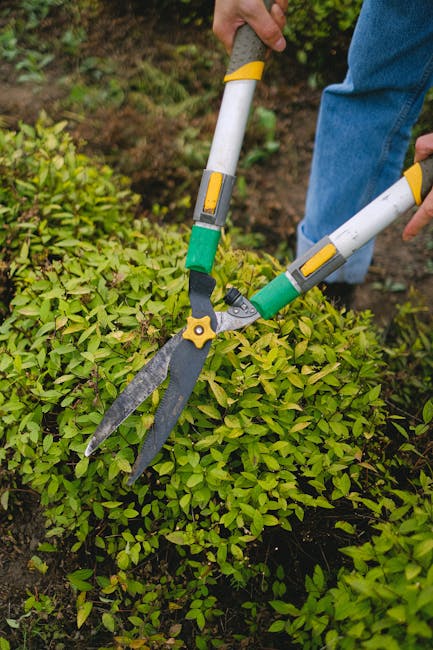
Professionals usually avoid trouble by planning around access, waste removal, weather, and plant type. For instance, before a hedge cut or a larger tidy-up, they may look at whether material needs to be removed responsibly, whether ladders or tools are safe to use, and whether the work should be split into stages. A service like hedge trimming is rarely just trimming. It is timing, shaping, and restraint.
Key benefits and practical advantages
Avoiding common mistakes is not about being overly cautious. It is about making the work pay off. The garden looks better for longer, maintenance becomes simpler, and you are less likely to create a hidden problem that only shows itself later.
- Healthier growth: Plants recover better when they are not stressed by poor timing or overcutting.
- Cleaner presentation: Tidy borders, edged lawns, and balanced hedge lines make a space feel cared for.
- Lower long-term cost: Preventing damage is usually cheaper than fixing it.
- Safer access: Clear paths, sensible pruning, and well-managed waste reduce trip and handling risks.
- Less wasteful effort: You stop redoing jobs that were done too aggressively the first time.
- Better use of small spaces: Especially important in compact London gardens where every square metre counts.
One quiet benefit people often overlook is confidence. Once you know the common mistakes, you stop guessing quite so much. And that makes garden decisions easier. You do not have to overthink every snip or watering can. Just a bit more judgement, a bit less panic.
Who this is for and when it makes sense
This guide is for anyone in Vauxhall who wants a garden that looks good without causing endless hassle. That might be a homeowner, a landlord, a tenant with permission to improve the space, or someone managing a shared outdoor area. It also suits people who are deciding whether to do the work themselves or ask for help.
It makes particular sense if:
- your garden has become overgrown after a busy season
- you are not sure when to cut hedges or mow lawns
- you have had poor results from overwatering or overpruning
- you want to avoid making a small problem worse
- you are planning a bigger refresh and want the basics right first
If you are dealing with stubborn clutter, dead material, or years of build-up, a structured garden clearance approach may be a better starting point than trying to tidy around the edges. And if you are simply trying to keep things under control month by month, routine garden maintenance is usually the more practical route.
Truth be told, there is no prize for trying to do everything in one weekend and ending up exhausted with a half-finished border. Been there, seen that.
Step-by-step guidance
Here is a sensible way to approach a Vauxhall garden without falling into the usual traps.
1. Start with a proper walk-through
Do not grab the shears first. Walk the whole space slowly. Look for dead growth, blocked drains, leaning fences, slippery patches, and plants that are struggling because of shade or poor soil. You would be surprised how often the real problem is not the thing that looks messiest.
2. Separate urgent jobs from cosmetic jobs
Safety and plant health come first. Clear broken branches, remove hazards, and deal with blocked access before worrying about perfect lines or decorative shaping. A garden can look a bit untidy for a day; a trip hazard is a different story.
3. Work from the ground up
Clear leaves, cut back obvious overgrowth, and sort lawn edges before touching finer details. This order gives you a clearer view of what still needs attention. If you are mowing, for example, it is usually better to deal with low obstacles and debris first, which is one reason lawn mowing works best as part of a planned sequence rather than as a rushed standalone job.
4. Use the right method for each plant type
Not every hedge, shrub, or tree tolerates the same treatment. Some respond well to light shaping. Others need careful selective cutting. If in doubt, go lighter rather than harder. You can always remove more. You cannot stick it back on later. Annoying, but true.
5. Review the outcome before you stop
Step back and look at the garden from the main entrance, from the patio, and from any upper windows if you have them. A space can look balanced from one angle and lopsided from another. This quick review catches a lot of avoidable disappointment.
A simple sequence like that often saves an entire afternoon of second-guessing.
Expert tips for better results
A few small habits make a very large difference. In our experience, the gardeners who get the best results are not always the ones with the biggest tool kit. They are the ones who slow down at the right moments.
- Trim less, more often: Light, regular shaping is usually kinder than severe cuts after long gaps.
- Respect seasonal growth: Some plants surge in spring and slow later. Work with that rhythm.
- Keep waste moving: A cluttered work area leads to missed spots and awkward handling.
- Protect hard surfaces: On small paved plots, soil and clippings can quickly make everything slippery.
- Check drainage after clearance: What looks like mess may actually be covering a drainage issue.
- Use the right finish, not the fanciest one: A neat, even, healthy result beats an over-styled one.
If you are working near fences, walls, or shared boundaries, be especially careful with overreaching. It is easy to damage neighbouring property or make a cut line look jagged. And once a hedge edge is uneven, everyone can see it.
For a more polished outdoor finish, some people also combine soft landscaping with practical features such as decking services, though that makes most sense after the core garden structure is under control.
Common mistakes to avoid
This is the heart of the topic. Most of these mistakes are simple, and that is exactly why they are so easy to make.
1. Cutting too much at once
Hard pruning can shock plants, leave bare patches, and create a long recovery period. A hedge that looks dramatically reduced may not thank you for it later. When in doubt, take a lighter pass and reassess.
2. Mowing the lawn too short
Short grass may look neat for a moment, but it weakens the lawn and makes it more vulnerable to dry spells, moss, and stress. It is one of the most common errors, and one of the easiest to avoid.
3. Ignoring the season
Timing matters more than many people think. Cut back at the wrong time and you can remove new growth, buds, or the plant's ability to recover well. Seasonal awareness is boring until it saves the plant.
4. Clearing everything without a plan
Garden clearance is not the same as "remove everything until it looks empty". You may need to keep useful structure, roots, wildlife cover, or drainage channels. Random clearing often creates more work than it solves. If the space needs a reset, a proper garden clearance plan is far safer than a rushed sweep-through.
5. Using blunt or dirty tools
Blunt tools tear rather than cut. Dirty blades can spread disease between plants. It is a small thing, but it makes a big difference to plant health and the quality of the finish.
6. Forgetting about waste and access
Clippings, branches, and bags of debris pile up quickly in compact gardens. If waste removal is not planned, the worksite becomes cramped and awkward, and mistakes follow. In a small Vauxhall yard, that can happen in about ten minutes flat.
7. Overwatering or watering at the wrong time
Water is helpful, obviously. Too much water can be just as much of a problem as too little. Shallow, frequent watering may also encourage weak root growth. Watering should suit the plant, the weather, and the soil, not just habit.
8. Choosing plants that do not suit the space
Some gardens simply do not have enough light, depth, or shelter for certain plants to thrive. This is where good planting advice matters. If the design is not right, no amount of tidy-up work will fully compensate.
9. Mixing decorative ideas with maintenance reality
A beautiful idea that takes three hours of upkeep each week is often a poor fit for a busy household. Be honest about how much care the space will realistically get. There is no shame in wanting something manageable.
10. Trying to solve structural issues with tidy-up work
Uneven paving, bad soil, poor drainage, and broken edges are not fixed by a rake and good intentions. They usually need a more considered response, sometimes through landscape gardening or broader landscaping.
Tools, resources and recommendations
You do not need a shed full of equipment to avoid most mistakes. What you do need is the right basic set, kept in decent condition.
- Sharp secateurs: For clean, controlled cuts on smaller growth.
- Hedge trimmer or shears: Useful for shaping, but only when used carefully.
- Rake and debris sacks: Essential for clearing clippings and leaves before they get underfoot.
- Gloves and sturdy footwear: A simple bit of protection goes a long way.
- Lawn mower with adjustable height: Helpful for avoiding the too-short cut problem.
- Wheelbarrow or garden bags: Handy in tighter spaces where carrying waste by hand is awkward.
For people who prefer not to manage the work themselves, it is worth asking whether the service provider offers clear planning, sensible scheduling, and transparent communication. You can compare options and learn more about the company's approach through the services overview and practical information on pricing and quotes.
It also helps to understand safety, insurance, and how waste is handled. A professional outfit should be open about these points rather than vague, because vague usually means you are the one carrying the risk.
Law, compliance, standards, and best practice
For domestic gardening, the most important point is not a maze of legal jargon. It is basic duty of care. Work should be carried out safely, with reasonable attention to neighbouring properties, property boundaries, waste handling, and personal protection.
If equipment is being used, whether by you or by a contractor, the expectation is straightforward: it should be used competently, maintained properly, and suited to the job. Where tree work or heavier cutting is involved, caution matters even more. Jobs involving larger stems, awkward height, or unstable material are not the place for guesswork. Sometimes the sensible call is to stop and use a specialist tree lopping and removal service rather than taking a risky approach yourself.
There are also practical expectations around waste. Green waste, branches, and general debris should be dealt with responsibly, not just dumped in a corner or left to rot against a wall. If sustainability matters to you, it is reasonable to ask how a company handles reuse, recycling, or reduced waste journeys. You can see more about this kind of approach through recycling and sustainability.
For clients and homeowners, another sensible best practice is clear communication. Know what is being done, what will be removed, what will be left alone, and what the finish should look like. That avoids surprises. And yes, surprises in gardens are rarely the good kind.
Options, methods, or comparison table
Choosing the right approach depends on the scale of the work, the condition of the garden, and how much ongoing care you want to take on. Here is a simple comparison that may help.
| Approach | Best for | Strengths | Limitations |
|---|---|---|---|
| DIY light maintenance | Small, tidy gardens with routine upkeep needs | Lower direct cost, flexible timing, quick touch-ups | Easy to make timing or cutting mistakes, can become time-consuming |
| DIY clearance and reset | Minor overgrowth or seasonal build-up | Good for simple jobs, gives you control | Can be physically demanding, waste disposal can be awkward |
| Professional maintenance | Regular care and consistent presentation | Reliable finish, less stress, usually fewer repeat mistakes | Ongoing cost, needs trust and clear instructions |
| Professional clearance or landscaping | Heavily overgrown, awkward, or structurally poor spaces | Better for complex, time-sensitive, or higher-risk jobs | Requires planning and a budget discussion upfront |
The sweet spot for many Vauxhall households is a mix: routine tasks at home, with occasional professional help for the harder or riskier jobs. That keeps the garden manageable without turning every month into a project.
Case study or real-world example
Here is a simple example based on a very common kind of job. A compact rear garden in Vauxhall had a hedge that had not been touched for a long stretch, a lawn that was getting scalped at the front edge, and a back corner buried under leaf litter and old pots. The owner assumed the answer was a single hard cut and a fast mow.
Instead, the sensible approach was to break it down. First, the cluttered corner was cleared so the access route was safe. Next, the hedge was reduced in stages rather than hacked back all at once. The lawn was cut higher than before, which immediately improved its appearance without stressing it further. Finally, the edges were defined so the garden looked more intentional rather than simply "cleaned up".
The interesting part? The biggest improvement was not dramatic. It was cumulative. The space suddenly felt calmer, brighter, and easier to keep in order. The owner later said the real win was that the garden stopped feeling like a problem every time they looked at it. That is the kind of result people usually want, even if they do not say it out loud at the start.
Practical checklist
Use this quick checklist before you start any garden work in Vauxhall.
- Have I looked at the whole space before cutting or clearing?
- Do I know which jobs are urgent and which are cosmetic?
- Is the weather suitable for the type of work I am doing?
- Are my tools sharp, clean, and safe to use?
- Have I left enough room to move around safely?
- Am I avoiding overcutting or scalping the lawn?
- Do I know what to do with the waste once it is cut?
- Are there any boundary, access, or safety issues to think about?
- Would a professional be better for the risky or heavy parts?
- Do I have a realistic finish in mind, not a fantasy one?
Expert summary: Most garden mistakes come from speed, not effort. Slow down just enough to look, plan, and match the method to the space. That one habit prevents a surprising amount of damage.
If you want help deciding where to begin, it is often useful to start with a conversation rather than a guess. You can learn more about the team and how they work via the about us page, then move toward a clear next step if it feels right.
Get a free quote today and see how much you can save.
Conclusion
Vauxhall gardeners common mistakes to avoid is really about one thing: making the garden easier to live with, not harder. The best outdoor spaces are not always the most elaborate. They are the ones where the basics are handled with care, the timing is sensible, and the work fits the space.
If you remember nothing else, remember this: cut less, plan more, and do not let a small issue become a season-long headache. A tidy, healthy garden usually comes from a lot of modest good decisions, not one heroic effort on a Sunday afternoon.
And honestly, once the space starts working properly, it changes the feel of the whole home. You notice the light, the air, the quiet. It is a good feeling.
Frequently Asked Questions
What are the most common mistakes gardeners make in Vauxhall?
The most common mistakes are cutting too much at once, mowing grass too short, ignoring seasonal timing, and clearing a garden without a proper plan. In compact London gardens, access and waste handling are also easy to underestimate.
Why do small gardens in Vauxhall need a different approach?
Small gardens show mistakes more quickly because there is less room to hide uneven cuts, drainage problems, or clutter. They also tend to be harder to work in safely, so planning matters more than in larger outdoor spaces.
Is it better to do garden maintenance yourself or hire help?
That depends on the size, condition, and risk level of the work. Light routine tasks can often be managed yourself, but heavy clearance, awkward tree work, or broader landscaping is usually easier and safer with professional help.
How often should hedges be trimmed to avoid problems?
It depends on the plant and the look you want, but regular light trimming is usually safer than waiting too long and then cutting hard. If a hedge has gone very out of shape, reducing it carefully over time is often the better option.
What is the biggest lawn care mistake people make?
Cutting the grass too short is one of the biggest mistakes. It can weaken the lawn, make it look patchy, and leave it more vulnerable to dry weather and stress.
When should I stop DIY and call a professional gardener?
If the garden is overgrown, access is awkward, there are safety concerns, or the job involves trees, large branches, or structural work, it is usually time to call in help. That is often cheaper than fixing a bad DIY result later.
Does garden clearance always mean removing everything?
No. Good garden clearance should remove unwanted material while keeping useful structure, safe access, and anything that still supports the garden's long-term health. Clearing everything blindly can create more work than it solves.
How do I know if my garden problem is about maintenance or landscaping?
If the issue is mainly routine tidying, cutting, or waste removal, it is usually maintenance. If the space needs redesign, drainage improvement, layout changes, or hard surface work, it moves into landscaping territory.
Are there safety issues I should think about before gardening?
Yes. Think about slippery paths, sharp tools, awkward lifting, unstable branches, and working near boundaries or hard surfaces. A sensible approach and proper equipment make a big difference.
Can bad gardening damage plants permanently?
Sometimes, yes. Severe overpruning, repeated scalping, or poor timing can weaken plants for a long time. Some recover well, others do not. The safest course is usually the gentler one.
How can I keep a Vauxhall garden looking tidy without constant work?
Focus on the highest-impact basics: regular mowing, light hedge shaping, clearing debris before it builds up, and choosing plants that suit the space. A simple plan is often far more effective than a complicated one.
What should I ask before booking garden work?
Ask what is included, how waste is handled, whether the team is insured, how they approach safety, and what result you should expect. Clear answers are a very good sign.
When you avoid the usual mistakes, garden care feels less like a chore and more like a steady reset. That is a good place to be, really.