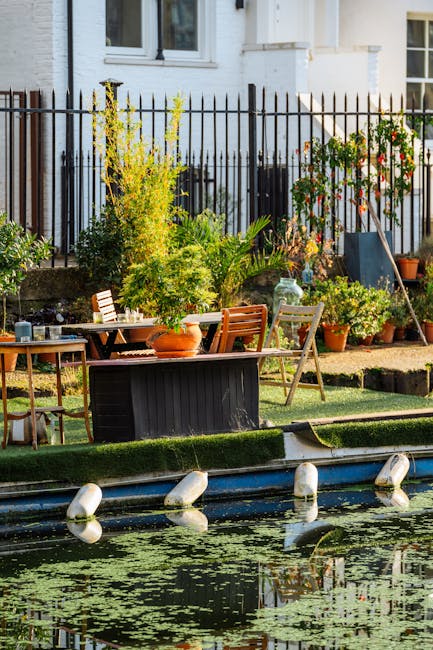
Nine Elms Vauxhall gardeners seasonal planting tips for thriving gardens all year round
If you garden in this part of London, you already know the rhythm is a little different here. The light shifts between tall buildings, wind can funnel through courtyards, and planting beds often have to work harder than they would in a suburban back garden. That is exactly why Nine Elms Vauxhall gardeners seasonal planting tips matter so much. The right plants, timed well, can turn a tired terrace, balcony, or communal border into something that looks full, balanced, and alive through every season.
Seasonal planting is not just about picking pretty flowers for spring and hoping for the best. It is about matching plants to local conditions, knowing when to sow, plant, divide, cut back, and feed, and understanding how London microclimates affect growth. Done well, it saves money, reduces stress, and gives you a garden that feels intentional rather than patched together. And honestly, that makes all the difference.
Below, you will find a practical guide built for real gardens in Nine Elms and Vauxhall, whether you are maintaining a compact courtyard, a roof terrace, or a shared residential landscape. There are timing tips, plant ideas, common mistakes, a simple comparison table, and a checklist you can actually use. If you need broader support with ongoing maintenance, it can also help to look at garden maintenance in London, or if your garden needs a fuller refresh, professional landscaping in London may be the better route. For many properties, especially the trickier ones, seasonal planting works best as part of a wider plan.
Table of Contents
- Why Nine Elms Vauxhall gardeners seasonal planting tips Matters
- How Nine Elms Vauxhall gardeners seasonal planting tips Works
- Key Benefits and Practical Advantages
- Who This Is For and When It Makes Sense
- Step-by-Step Guidance
- Expert Tips for Better Results
- Common Mistakes to Avoid
- Tools, Resources and Recommendations
- Law, Compliance, Standards, or Best Practice
- Options, Methods, or Comparison Table
- Case Study or Real-World Example
- Practical Checklist
- Conclusion
- Frequently Asked Questions
Why Nine Elms Vauxhall gardeners seasonal planting tips Matters
Seasonal planting matters in Nine Elms and Vauxhall because the local environment is not especially forgiving. You are often dealing with exposed rooftops, heat reflected from buildings, sheltered courtyards that stay damp for longer than expected, and containers that dry out faster than you think on a bright April day. Plants that look fine in a garden centre can struggle badly here if they are planted at the wrong time or in the wrong place.
Good timing gives plants a much better chance of establishing before weather turns. A shrub planted in autumn, for example, usually has cooler air and warmer soil on its side, which helps roots settle without the stress of summer heat. A summer bedding display, on the other hand, needs plenty of water and a practical eye for sun exposure. Different seasons, different jobs. Simple enough, but easy to get wrong.
In a busy urban setting, seasonal planting also helps you plan around the real life of the space. Maybe the balcony gets used heavily in summer evenings. Maybe the front entrance needs colour in winter because it sets the tone for the whole building. Or perhaps a communal courtyard has to look respectable even when nobody is actively gardening. That is where seasonal planning becomes more than an aesthetic choice. It becomes a maintenance strategy.
Expert summary: The best seasonal planting in Nine Elms Vauxhall is not about cramming in the most plants. It is about choosing the right plants for the right season, then giving them enough space, water, and follow-up care to actually thrive.
If you are already thinking about the bigger picture, this pairs well with practical support from hedge trimming services when structure is needed, or lawn care in London if your planting sits alongside turf areas that also need seasonal attention. The whole garden tends to work better when one part is not fighting the others.
How Nine Elms Vauxhall gardeners seasonal planting tips Works
The basic idea is straightforward: you match plant choice and garden tasks to the season, then adjust for local conditions. In practice, that means planning several months ahead instead of reacting at the last minute. A spring display is often prepared in late winter. Autumn planting starts while soil is still warm. Summer containers need monitoring from the first warm spell. And winter planting is about structure, resilience, and plants that can carry the space when flowers are scarce.
For urban gardens, the process usually begins with observation. Where does the sun actually fall? Which spots stay windy? Which beds get reflected heat from glass or brick? A shaded corner under a balcony might behave more like a woodland edge than a typical London border, while a south-facing roof terrace can feel surprisingly Mediterranean by midsummer. That is why a one-size-fits-all planting plan rarely works.
Seasonal planting also relies on plant behaviour. Some plants bloom for a short peak and then fade. Others hold their shape through several months. Some tolerate drying out. Others sulk immediately if the compost is allowed to go dusty. Once you understand these differences, you can place plants where they will perform best and save yourself a lot of trial and error. To be fair, gardening is already full of enough surprises.
A simple seasonal cycle often looks like this:
- Late winter: prune, clean, prepare compost, and plan spring interest.
- Spring: plant hardy annuals, perennials, and bulbs as growth begins.
- Early summer: add bedding, containers, and drought-aware watering routines.
- Late summer: deadhead, feed where needed, and start planning autumn swaps.
- Autumn: plant bulbs, shrubs, and perennials while soil is still workable.
- Winter: protect tender plants, keep evergreens healthy, and maintain structure.
The result is a garden that changes naturally instead of looking abandoned between big seasonal changes. And that matters more than people think. A tidy, well-timed transition makes a garden feel cared for, not just decorated.
Key Benefits and Practical Advantages
There are real, practical gains to seasonal planting. Some are obvious, some only become obvious after one bad year of losses and patchy borders. Below are the main ones.
Better plant survival
Plants establish more successfully when they are planted in the right season. Cooler conditions, better moisture retention, and less transplant stress all help. In London, that often means autumn and spring are the safest windows for many shrubs and perennials.
More consistent visual appeal
A well-planned seasonal scheme keeps something interesting in view all year. Spring bulbs give way to summer flowers, then ornamental grasses, berries, and evergreen structure take over. No awkward gaps. No long weeks of nothing much happening.
Lower maintenance pressure
Seasonal planting reduces the firefighting. If plants are suited to the season and the setting, you spend less time rescuing stressed containers and more time maintaining them properly. That is especially useful for busy homeowners, blocks, and landlords.
Smarter use of space
Small gardens in Nine Elms and Vauxhall cannot carry every plant all the time, so each planting choice has to earn its place. Seasonal rotation lets you use containers, raised beds, and borders efficiently. You can create change without rebuilding the whole garden.
Better value over time
Replacing failed plants costs more than choosing suitable ones in the first place. Seasonal planning helps reduce waste, improves longevity, and makes the garden look more established. Even modest improvements can feel substantial, especially in compact spaces.
One thing people often underestimate is how much mood matters. A neat winter pot with hellebores, ivy, and structured foliage can make an entrance feel welcoming on a grey morning. Tiny thing, maybe. But it changes how a place feels when you arrive home at 7:30 on a wet evening, which is no small thing.
Who This Is For and When It Makes Sense
This approach suits anyone managing a garden in Nine Elms, Vauxhall, or the surrounding central London area where conditions can be a bit urban and a bit unpredictable. That includes private homeowners, renters with terraces, residential blocks, property managers, and landlords looking after externally visible spaces.
It makes sense if your current planting feels patchy, if plants keep failing at the same time each year, or if the garden looks good for six weeks and then collapses into chaos. It is also useful if you want a garden that supports seasonal use, like entertaining in summer or having a calm, green outlook through winter.
You may need a more structured planting plan if:
- your garden gets strong wind or reflected heat
- you rely on containers rather than open ground
- the space is shaded by nearby buildings
- you need low-maintenance planting for a managed property
- the garden must stay presentable year-round
- you are trying to reduce plant losses and repeated replacements
If you are not sure what the space can handle, a local site visit usually tells the story quickly. Wind, drainage, and sun exposure do not lie. Plants do, a little, when they are sitting in a pot looking innocent at the garden centre. Let's face it.
For properties with frequent use or more demanding upkeep, broader support such as pressure washing services for hard surfaces or tree surgery in London for larger canopy management can make seasonal planting easier to sustain by improving light, access, and overall tidiness.
Step-by-Step Guidance
Here is a practical way to approach seasonal planting without overcomplicating it. No grand theory, no gardening theatrics. Just a sensible process.
1. Assess the site properly
Start with the basics: sun, shade, wind, soil, drainage, and available space. Check how long direct light lasts. In urban settings, a bed may get strong morning sun and almost no afternoon light, or the reverse. Walk the space at different times if you can. One mid-morning glance is rarely enough.
2. Decide what the garden needs each season
Ask what job the planting must do. Do you want winter structure, spring colour, summer impact, or all four? A family courtyard and a corporate entrance will not want the same thing. One might need relaxed, mixed planting; the other may need clean lines and predictable colour blocks.
3. Choose plants suited to the conditions
Do not force sun-lovers into shade or moisture-lovers into dry, windy containers. It sounds obvious, but this is where many schemes unravel. Use resilient plants that match the space. For example, ornamental grasses, hellebores, lavender, euphorbia, heuchera, salvias, and drought-tolerant herbs are often useful in London settings, depending on the exact spot.
4. Plan the planting calendar
Work backwards from the season you want to see. Spring bulbs need autumn planting. Summer containers often need refreshing after the last frost risk has passed. Autumn planting should happen while the soil still has warmth. This timing is not glamorous, but it is the bit that makes the garden look like it knows what it is doing.
5. Prepare the soil or compost
Good planting starts below the surface. Loosen compacted soil where possible, add organic matter appropriately, and make sure containers have enough drainage. In pots, use fresh compost where needed and never assume old mix will behave like new mix. It will not. Not even close.
6. Plant with enough room to grow
Overcrowding is a classic mistake. Small plants get squeezed, air does not move, and watering becomes awkward. Give each plant enough space for its mature size, not its current size. It will look a little sparse at first, and that is fine.
7. Water in properly and monitor the first few weeks
New plantings need close attention. Water deeply after planting, then check moisture regularly. Containers may need daily checks in warmer spells. In our experience, the first two to four weeks matter hugely. After that, the garden starts telling you what it wants.
8. Maintain and adjust
Deadhead, cut back, feed selectively, and replace weak performers rather than waiting for a full collapse. Seasonal planting works best when it is treated as a living system, not a once-a-year event.
For a quick practical model, think in terms of layers: seasonal colour in the foreground, reliable perennials in the middle, and evergreen structure behind them. That simple structure often works better than trying to create one big splash with annuals alone.
Expert Tips for Better Results
These are the small decisions that make a noticeable difference in urban gardens. Nothing flashy. Just the things experienced gardeners tend to do without making a song and dance about it.
Use microclimates to your advantage
A wall can provide warmth. A shaded north-facing side can help moisture-loving plants. A balcony corner may be too exposed for delicate foliage but perfect for robust herbs. If you learn to place plants by their local microclimate, your success rate improves quickly.
Mix reliable structure with seasonal change
Evergreens, grasses, and shrubs give the garden its backbone. Seasonal flowers then add tempo. Without structure, every change feels temporary. With structure, the whole space feels intentional even in January.
Think in drifts rather than single specimens
Planting one of everything can look chaotic. Repeating a few plants in groups often looks calmer and more professional. Repetition helps the eye read the garden, especially in small urban spaces.
Choose containers carefully
Containers heat up and dry out faster than borders. Use decent-sized pots where possible, because larger volumes of compost hold moisture better and give roots more room. Tiny pots are charming for a moment, then they become a maintenance headache. Cute, but rude.
Rotate high-impact displays
If you have one entrance bed or balcony planter that people always notice, give it the best seasonal treatment first. A front-facing display can carry the whole property. It is often worth spending a little more time there and keeping the rest simpler.
Feed lightly but appropriately
Not every plant wants the same feeding schedule. Bedding plants usually appreciate more regular feeding, while established shrubs may need less. Overfeeding can create soft growth that is more prone to stress. The label matters, a lot.
Plan for weather swings, not perfect weather
London weather can flip quickly. A warm spell in March is not a guarantee. A wet June does not mean the summer is lost. Build in flexibility with watering, shelter, and plant choice so the garden can absorb a bit of weather drama without falling apart.
If you want a cleaner, more polished end result, garden support services such as garden clearance in London can help reset a space before planting, while garden design services may be useful when you want the seasonal plan to feel cohesive from the start.
Common Mistakes to Avoid
Most planting failures are not dramatic. They are ordinary, repeatable, and completely avoidable once you know what to look for.
- Planting too early or too late: A cold snap, heatwave, or wet spell can undo otherwise good work.
- Ignoring wind exposure: Especially important on terraces and at higher levels.
- Using shallow containers: These dry out quickly and restrict roots.
- Overcrowding beds: Looks full now, becomes messy later.
- Choosing plants for looks only: Pretty is fine, but only if the conditions suit them.
- Forgetting aftercare: New plantings need attention, not just admiration.
- Mixing plants with very different water needs: One side ends up happy, the other resentful.
- Neglecting soil improvement: Poor soil gives you poor performance. Simple as that.
A common real-world example is the spring container that looks brilliant for two weeks, then collapses because it was planted in a shallow pot with no moisture retention and full afternoon sun. It happens all the time. The fix is not just more watering, though that helps. It is better plant choice, better compost, and a container sized for the job.
Another one: autumn planting delayed until the weather turns properly cold. Roots stop establishing, and winter becomes a survival test. Better to get ahead of the season by a few weeks if you can.
Tools, Resources and Recommendations
You do not need a van full of kit to manage seasonal planting well, but a few basics make the work less awkward and more effective.
Useful tools
- Hand trowel for potting and small bed work
- Fork or border fork for loosening soil
- Secateurs for deadheading and light pruning
- Watering can or hose with a gentle rose
- Quality compost suitable for the planting type
- Mulch for moisture retention and weed suppression
- Plant labels if you are managing multiple seasonal rotations
Practical resources
Local garden centres, well-stocked nurseries, and trusted horticultural advice are all useful, but the key is matching advice to your exact site conditions. What works in a south-facing Surrey border may not work on a windy Nine Elms balcony. Local reality wins.
For ongoing upkeep, it can also help to review broader maintenance support such as general gardening services, or seasonal support from gardening tips and advice if you are doing some of the work yourself and want a better rhythm for the year.
Simple recommendation framework
| Garden situation | Best seasonal approach | Why it works |
|---|---|---|
| Sunny balcony | Container-led seasonal rotation with drought-tolerant plants | Handles heat and drying conditions better |
| Shaded courtyard | Shade-tolerant perennials, foliage plants, and spring interest | Performs better with lower light levels |
| Managed communal space | Mixed structure planting with low-maintenance seasonal refreshes | Keeps the space attractive without constant replanting |
| Front entrance or visible approach | High-impact planting with evergreen backbone | Looks good in all seasons and supports first impressions |
Law, Compliance, Standards, or Best Practice
Seasonal planting itself is not usually a heavily regulated activity, but it does sit within a wider framework of good practice. If you are working in communal or managed spaces, you should keep access routes clear, avoid trip hazards, and make sure any work does not block emergency access or interfere with shared areas. That may sound obvious, but in busy residential developments it is worth saying clearly.
If trees or larger shrubs are involved, you should check whether any tree protection measures, site agreements, or property rules apply before pruning or planting near them. In London, some properties also have specific management expectations around waste removal, work timings, and shared external areas. If in doubt, ask before digging in. It saves awkward conversations later.
Best practice usually means:
- checking plant suitability before purchase
- using appropriate compost and drainage
- watering new plantings correctly
- following manufacturer instructions for fertilisers and treatments
- disposing of green waste responsibly
- respecting shared access and neighbour boundaries
If your planting work is part of a larger exterior refresh, it can be sensible to combine it with fencing services or patio cleaning in London so the overall space looks finished rather than half-done. A garden often benefits from that joined-up approach.
Options, Methods, or Comparison Table
Different planting methods suit different spaces. Here is a plain comparison to help you choose the right route.
| Method | Best for | Pros | Watch out for |
|---|---|---|---|
| Seasonal bedding swaps | High-visibility displays | Quick colour change, easy to refresh | Higher ongoing maintenance and watering |
| Perennial-led planting | Borders and long-term schemes | More resilient, lower turnover | Slower to establish, needs planning |
| Container rotations | Balconies, terraces, entrances | Flexible, easy to adapt to seasons | Compounds dry out faster, needs regular care |
| Mixed structure planting | Managed gardens and communal areas | Looks good year-round, balanced maintenance | Requires thoughtful design up front |
In practice, many good gardens use a blend of these. A little structure, a little seasonal change, and a few spots reserved for stronger visual moments. That mix tends to age well.
Case Study or Real-World Example
Consider a typical Nine Elms terrace with a long narrow border, two large containers by the seating area, and a windy corner near a glass balustrade. The owners wanted more colour in spring and summer, but they were tired of replacing weak plants every few months. Nothing extravagant. Just a garden that felt looked after.
The planting approach started with the conditions rather than the wish list. The windy corner was given tougher structure plants and an evergreen base. The seating area containers were planted for seasonal interest, but with a bigger compost volume and more drought-tolerant choices. The border used repeat planting rather than a random mix, which made it look calmer and slightly more intentional. Small thing, big difference.
By autumn, the scheme had enough structure to stay attractive without constant replanting. Spring bulbs had been introduced in advance, so the next year's display already had a head start. The owners did not need to reinvent the whole space. They just needed a seasonal rhythm that worked with the site, not against it.
This is the bit people often miss: the goal is not to make the garden perfect in one go. It is to make it easier to improve each season. Once that starts happening, the garden stops feeling like a problem and starts feeling like part of daily life again.
Practical Checklist
Use this checklist before each seasonal refresh. It keeps the work focused and avoids the usual last-minute scrabble.
- Check sun, shade, wind, and drainage in the exact planting area
- Remove tired plants, weeds, and debris first
- Decide what the space needs this season: colour, structure, privacy, or softness
- Choose plants that suit the site, not just the look
- Prepare soil or refresh compost before planting
- Group plants by water needs where possible
- Leave enough room for mature growth
- Water thoroughly after planting
- Mulch where appropriate to retain moisture
- Set a follow-up routine for the first few weeks
- Deadhead, trim, or replace weak performers promptly
- Review what worked and what did not before the next season
If you can tick off most of those points, you are already ahead of the curve. Really. That is often enough to turn a tired planting scheme into one that feels dependable and alive.
Conclusion
Good seasonal planting in Nine Elms and Vauxhall is less about chasing trends and more about reading the space properly. Once you understand the local light, wind, container size, and maintenance rhythm, the garden starts making sense. Spring, summer, autumn, and winter each get their own role, and the planting becomes more resilient because of it.
The most reliable approach is simple: choose the right plants, time the work well, and keep the aftercare realistic. If you are managing a small balcony, a communal entrance, or a full urban garden, that approach will usually give you better results than trying to do everything at once. And if the space needs a bigger reset, getting help with the structure before planting can save time and money later.
Get a free quote today and see how much you can save.
With the right seasonal plan, even a compact London garden can feel generous, calm, and full of life. That is worth aiming for.
Frequently Asked Questions
What are the best seasonal planting tips for gardens in Nine Elms and Vauxhall?
The best tips are to plant for the actual site conditions, not just the calendar, and to use a mix of structure and seasonal colour. In this area, wind, shade, and container drying are often the biggest challenges, so hardy, well-sited plants usually perform best.
When is the best time to plant in London gardens?
For many shrubs and perennials, autumn and spring are the most reliable planting windows. Autumn often helps roots establish before winter, while spring gives plants a fresh start before summer heat arrives. Container planting can be more flexible, but still needs weather awareness.
What flowers work well for seasonal colour in urban London spaces?
That depends on light and exposure, but many gardens benefit from a mix of bulbs, bedding plants, salvias, heucheras, hellebores, and grasses. The key is to choose plants that suit the exact conditions rather than simply choosing the brightest display.
How do I stop containers drying out so fast?
Use larger pots where possible, add quality compost, mulch the surface, and group containers so they create a slightly more sheltered microclimate. You should also water deeply rather than just sprinkling the top. On hot days, containers may need checking more than once.
Can I do seasonal planting myself, or should I hire a gardener?
You can do a lot yourself if you enjoy it and have time for regular care. A gardener becomes more useful when the space is large, exposed, awkwardly laid out, or needs a more coherent planting design. If you are replacing plants every season, professional help may actually save money.
What is the biggest mistake people make with seasonal planting?
Probably choosing plants for appearance without checking whether the site suits them. The second biggest mistake is underestimating how quickly containers dry out in exposed London conditions. Both are very common, and both are avoidable.
Do I need different plants for shade and sun?
Yes, absolutely. Shade-loving plants often fail in strong sun, and sun lovers can struggle in deep shade. Matching the plant to the light level is one of the most important decisions you can make, and it pays off quickly.
How often should seasonal planting be refreshed?
That depends on the planting style. Bedding displays may need refreshing several times a year, while perennial schemes can last much longer with seasonal maintenance. A good garden usually has some parts that change often and some that provide long-term structure.
Are there any local rules I should think about before planting in communal areas?
Yes. Even though planting itself is usually straightforward, communal and managed spaces may have rules about access, shared boundaries, waste disposal, and protected trees. If the area is shared, it is sensible to check before starting work.
What plants are easiest for low-maintenance seasonal interest?
Evergreen structure plants, ornamental grasses, hellebores, hardy shrubs, and some drought-tolerant perennials tend to be easier to manage. They still need care, but they usually cope better with the ups and downs of urban gardens than delicate, thirsty plants.
How can I make a small Nine Elms or Vauxhall garden look better all year?
Use repetition, evergreen backbone planting, and a few seasonal highlights rather than too many competing plants. Small spaces often look best when the design is calm and readable. A little restraint goes a long way, truth be told.
What should I do before planting in spring?
Clear away winter debris, check soil or compost condition, prune lightly where appropriate, and plan for late frosts. Spring planting is often successful when the ground has had a proper tidy-up first. Do the boring bit first. It helps more than people expect.